Key takeaways
Fill, sign, and submit ZA Standard Bank Confirmation of Residential Address from any browser — or have AI generate a custom version in seconds. No installs, no printing, no back-and-forth.
- The Residential Address Verification Form helps individuals in South Africa prove residency when standard documents like utility bills are unavailable.
- This document supports compliance with the Financial Intelligence Centre Act by providing a structured method for address verification.
- A third party, such as a property owner, must sign the form to attest to the individual's residence at the address.
- The third party making the declaration is required to provide their own proof of residential address as a supporting attachment.
- You can fill, sign, and share this verification form using pdfFiller's platform to meet the requirements of financial institutions.
- While no official deadline exists, failing to provide this verification may result in institutions refusing to establish business relationships.
What is ZA Standard Bank Confirmation of Residential Address?
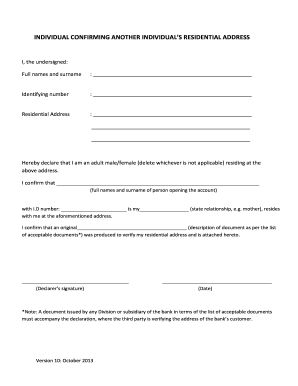
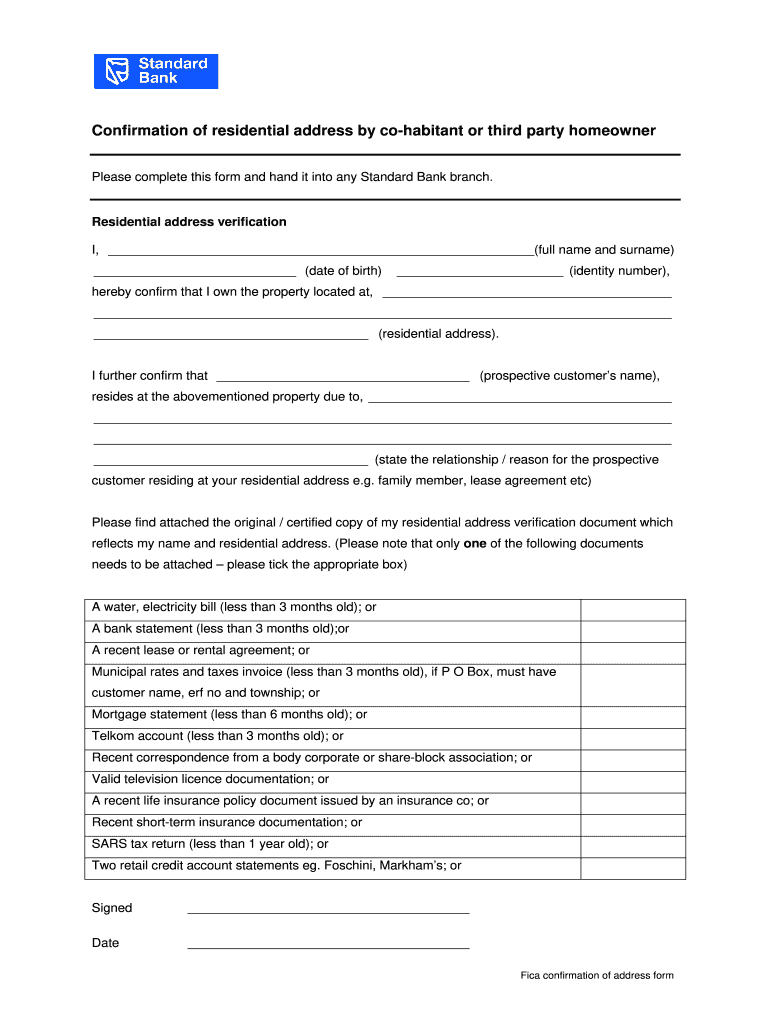
The Residential Address Verification Form is a document used in South Africa to provide proof of residency to accountable institutions when standard documents like utility bills or lease agreements are unavailable. This form facilitates compliance with the Financial Intelligence Centre Act, 2001 (Act 38 of 2001), which requires institutions to verify the identity and address of their clients. It serves as a formal declaration where a third party, such as a property owner or co-habitant, confirms that an individual resides at a specific location.
This South africa address confirmation is essential for individuals who do not have traditional proof of residence in their own name to establish business relationships or conduct transactions. To complete the process, the third party must sign the document to attest to the accuracy of the residency information provided. Accountable institutions, such as banks, utilize this declaration to meet their customer identification requirements. The third party making the declaration is also required to provide their own proof of residential address as a supporting attachment for the verification.
This form is a template created and used by accountable institutions, such as banks, to comply with FICA requirements rather than a document issued by a government agency.
Who needs the ZA Standard Bank Confirmation of Residential Address — and who doesn't
Not everyone files ZA Standard Bank Confirmation of Residential Address. The checklist below tells you whether it applies to your situation — and points you to the right alternative if it doesn't.
You need this ZA Standard Bank Confirmation of Residential Address if…
- you must verify your residential address with an accountable institution but lack standard proof of residence in your own name.
- you are a property owner or co-habitant who needs to formally attest to the residence of another individual living at your address.
- you are establishing a business relationship with a bank or financial entity that requires compliance with South African Financial Intelligence Centre Act regulations.
You do not need this ZA Standard Bank Confirmation of Residential Address if…
- you possess other acceptable documents for address verification such as a recent utility bill, bank statement, or formal lease agreement in your own name.
Why you need the ZA Standard Bank Confirmation of Residential Address
Why people fill out ZA Standard Bank Confirmation of Residential Address, and what tends to go wrong when they don't.
-
Meet FICA Requirements Submit this declaration to satisfy the Financial Intelligence Centre Act requirements when standard proof of residence is unavailable. It allows accountable institutions to verify your address through a third-party attestation.
-
Provide Alternative Proof This document serves individuals who do not have utility bills or lease agreements in their name. It provides a formal method for a property owner to confirm your residential address.
-
Formal Owner Attestation The form requires a property owner or co-habitant to sign and confirm your residency. This signature validates the provided information for banks and other institutions requiring address verification.
-
Simple Digital Signing Use pdfFiller to fill out the form and add a legally binding e-signature. You can share the document via a link to collect the necessary signature from the property owner.
How to fill out ZA Standard Bank Confirmation of Residential Address using pdfFiller
A walkthrough from the first field to the signature line. With your records in front of you, most people finish in under ten minutes.
-
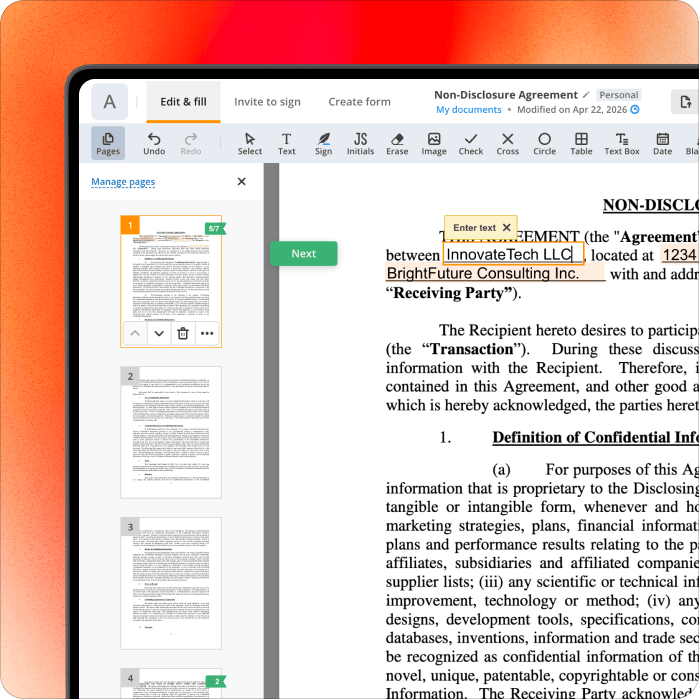
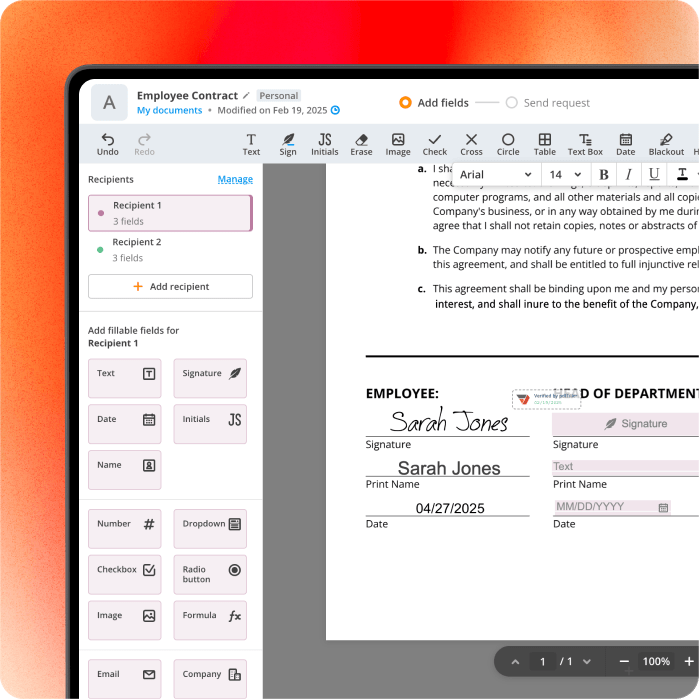
Open the form Click Get Form to open Residential Address Verification Form in the pdfFiller editor. You can then begin the process of documenting your proof of residence for an institution.
-
Input residential details Use the text tool to click on this standard bank address form and type your full name and the specific address requiring verification to comply with FICA requirements.
-
Add third-party information If a property owner or co-habitant is attesting to your residency, they can enter their personal details and contact information directly into the provided form fields in the editor.
-
Review and annotate Carefully check all entered data for accuracy before finalizing, using the annotation tools to add any necessary stamps or notes required by the receiving bank or financial institution.
-
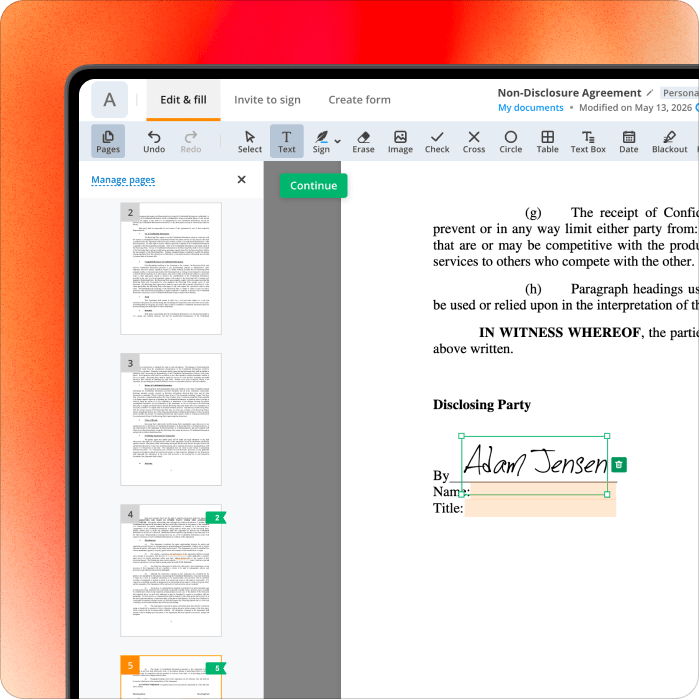
Sign the declaration Click the signature field to add a legally binding e-signature or use the request signature feature to obtain the necessary attestation from the property owner or co-habitant.
-
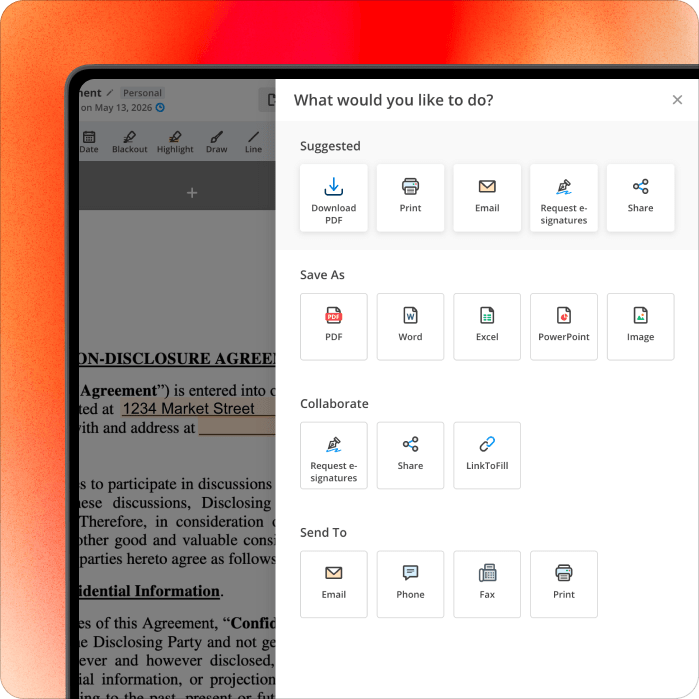
Share or save Send the completed form via email or a secure link, or download the PDF to your device while pdfFiller keeps your document in secure encrypted storage.
Required disclosures & attachments
The fields ZA Standard Bank Confirmation of Residential Address won't be accepted without — and the disclosures filers most often miss.
Deadlines, key dates & penalties for ZA Standard Bank Confirmation of Residential Address
When ZA Standard Bank Confirmation of Residential Address is due, what late filing actually costs, and how to request more time if you need it.
| Penalties and Consequences | The Financial Intelligence Centre Act (FICA) imposes penalties on accountable institutions for non-compliance with customer identification and verification requirements. While there are no direct legal penalties for an individual who does not use this form, an institution may refuse to establish a business relationship or conclude transactions if FICA residential address verification requirements are not met. |
|---|
Key terms used in ZA Standard Bank Confirmation of Residential Address
A one-sentence glossary of the ZA Standard Bank Confirmation of Residential Address terms and concepts you'll see throughout this guide.
- Accountable Institution
- A business, such as a bank, required by law to verify customer identities and residential addresses before providing services.
- FICA
- The Financial Intelligence Centre Act, which mandates South African institutions to confirm the identity and physical address of their clients.
- Third Party
- An individual, like a property owner, who signs the form to verify that another person resides at their specific address.
- Proof of Residence
- Standard documentation, such as a utility bill, used to verify an individual’s home address for legal or financial purposes.
- Declaration
- A formal statement within the form where a third party confirms the applicant's residential details are true and correct.
Frequently asked questions about ZA Standard Bank Confirmation of Residential Address
Quick answers to the questions we hear most often about completing the ZA Standard Bank Confirmation of Residential Address.
The Residential Address Verification Form is a document used in South Africa to confirm an individual's place of residence when they cannot provide standard proof of address. It allows a third party, such as a property owner or co-habitant, to formally attest that the individual lives at a specific address to satisfy FICA requirements.
This form is intended for individuals who need to verify their residence with an accountable institution, like a bank, but lack standard documents like utility bills. It is also used by the third party who provides the attestation for the individual's residence, such as a property owner or a person they live with.
The third party making the declaration, such as the property owner, must sign the form to attest to the accuracy of the information. You can use pdfFiller to add a legally binding e-signature to the document. This ensures the declaration is properly executed before it is sent to the requesting institution.
The third party making the declaration must provide proof of their own residential address as a required attachment. This supporting document is necessary to verify the status of the person vouching for the applicant. Accountable institutions require this secondary verification to maintain compliance with the Financial Intelligence Centre Act.
You are generally exempt from using this form if you can provide other acceptable forms of address verification, such as a current utility bill or bank statement. This declaration is specifically designed as an alternative for those without standard documents, facilitating property owner verification for residency purposes when other proof is unavailable.
This form enables individuals to meet the customer identification and verification requirements set by the Financial Intelligence Centre Act by providing a structured method for third-party attestation. By using this document, accountable institutions can verify a client's address even when traditional paperwork is missing, allowing them to legally establish business relationships.
You can fill out, sign, and share the Residential Address Verification Form entirely online through the pdfFiller platform. pdfFiller allows you to edit the document in your browser, add necessary signatures, and send the finished PDF via email or a secure link. This streamlines the process of meeting FICA requirements without needing to handle physical paperwork.